Japan Travel Guide 2026: 10 Best Places to Visit
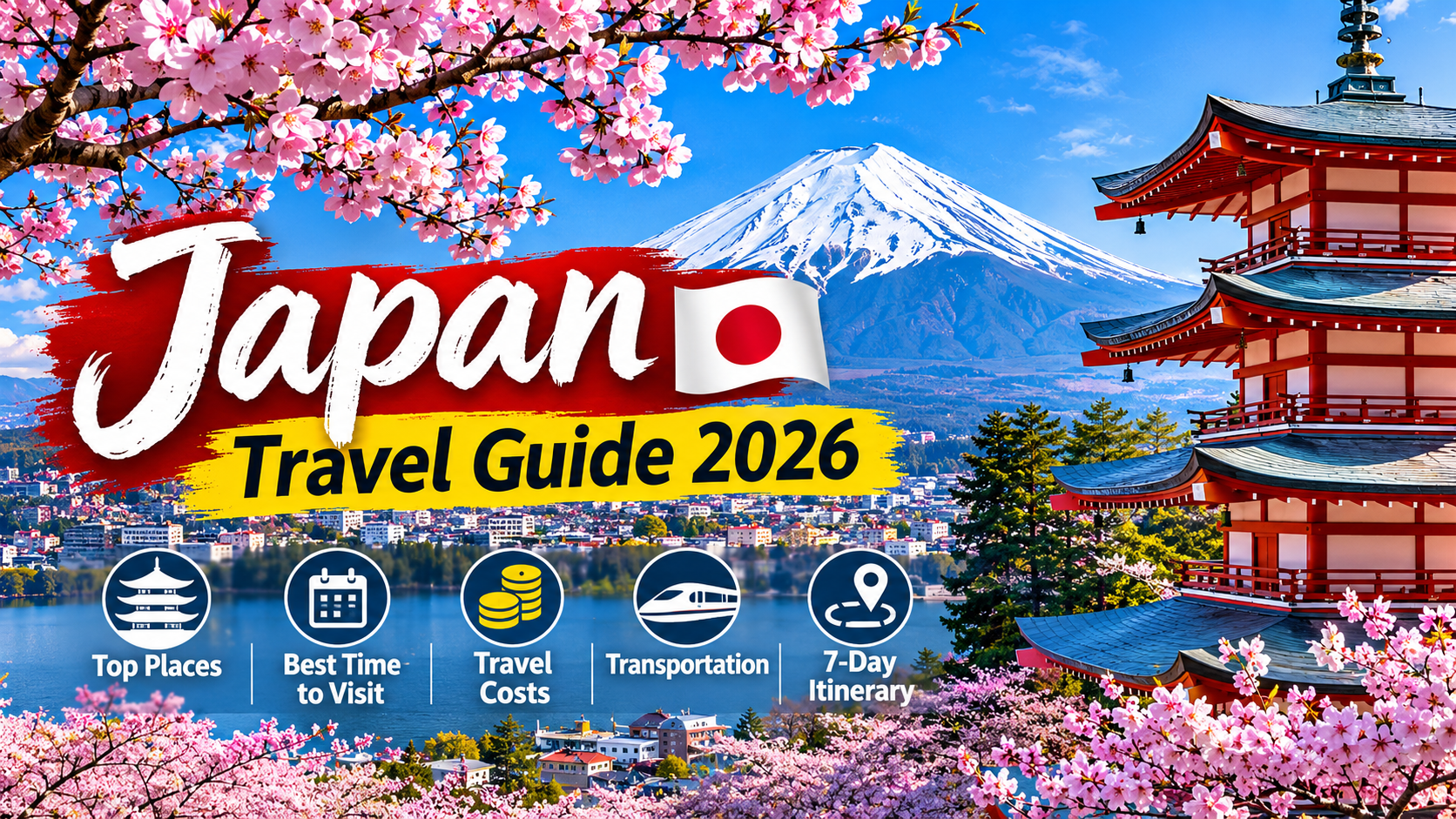
Japan Travel Guide 2026: 10 Best Places to Visit, Things to Do, and Travel Tips
Japan is one of the most fascinating travel destinations in the world. From the neon-lit streets of Tokyo to the peaceful temples of Kyoto, the breathtaking views of Mount Fuji, and the tropical beaches of Okinawa, Japan offers an unforgettable experience for every traveler.
Whether you are planning your first visit or returning to discover more of the country, this Japan travel guide will help you explore the best destinations, understand local transportation, choose the right season, and plan an unforgettable trip in 2026.
Why Visit Japan in 2026?
Japan combines ancient traditions with modern technology in a way few countries can match.
Visitors can explore centuries-old temples, experience traditional Japanese culture, enjoy world-famous cuisine, travel on high-speed bullet trains, and discover some of the most beautiful natural landscapes in Asia.
Japan is also known for its efficient public transportation, clean cities, diverse accommodation options, and welcoming hospitality.
Here are some reasons why Japan deserves a place on your travel bucket list:
Incredible historical landmarks and cultural attractions.
Beautiful cherry blossom seasons and colorful autumn landscapes.
Modern cities filled with shopping, entertainment, and technology.
Delicious Japanese food, including sushi, ramen, and tempura.
Scenic mountains, forests, beaches, and hot springs.
Convenient transportation connecting major destinations.
10 Best Places to Visit in Japan
- Tokyo – Japan’s Exciting Capital
Tokyo is the perfect starting point for anyone visiting Japan for the first time.
The city is famous for its futuristic skyline, traditional neighborhoods, shopping districts, restaurants, and vibrant nightlife.
Some of the best attractions include:
Shibuya Crossing: One of the world’s most famous pedestrian intersections.
Tokyo Skytree: A spectacular observation tower with panoramic city views.
Senso-ji Temple: A historic Buddhist temple in Asakusa.
Shinjuku: A lively district filled with restaurants, shopping, and entertainment.
Meiji Jingu: A peaceful Shinto shrine surrounded by forest.
Tokyo offers something for every traveler, whether you enjoy technology, history, shopping, or Japanese cuisine.
- Kyoto – The Heart of Traditional Japan
Kyoto is one of Japan’s most beautiful cultural destinations.
Once the imperial capital of Japan, Kyoto is famous for its historic temples, traditional wooden houses, peaceful gardens, and beautiful streets.
Top attractions include:
Fushimi Inari Taisha: Famous for its thousands of red torii gates.
Kinkaku-ji: The Golden Pavilion surrounded by a beautiful garden.
Arashiyama Bamboo Grove: A stunning bamboo forest.
Gion District: A historic neighborhood known for traditional Japanese architecture.
Kiyomizu-dera: A historic temple offering beautiful views of Kyoto.
Kyoto is especially beautiful during cherry blossom season and autumn, when its gardens and temples become surrounded by colorful scenery.
- Osaka – Food, Shopping, and Entertainment
Osaka is one of Japan’s most exciting cities and a favorite destination for food lovers.
The city is famous for its friendly atmosphere, delicious street food, colorful nightlife, and modern attractions.
Places worth visiting include:
Dotonbori: A lively entertainment district with famous neon signs.
Osaka Castle: A historic landmark surrounded by beautiful gardens.
Universal Studios Japan: A popular theme park with exciting attractions.
Kuromon Market: A great place to discover Japanese food.
Umeda Sky Building: A modern architectural landmark with impressive views.
Don’t leave Osaka without trying takoyaki and okonomiyaki, two of the city’s most popular local dishes.
- Mount Fuji – Japan’s Most Iconic Natural Landmark
Mount Fuji is one of the most recognizable mountains in the world and a symbol of Japan.
Standing at 3,776 meters, this majestic volcano attracts visitors who want to enjoy spectacular landscapes, photography, hiking, and peaceful natural surroundings.
Some of the best places to enjoy Mount Fuji views include:
Lake Kawaguchiko.
Chureito Pagoda.
Oshino Hakkai.
Hakone.
Fuji Five Lakes region.
The official climbing season is limited and varies by route and year, so check current mountain access information before planning a hike.
- Nara – Discover Japan’s Famous Deer Park
Nara is a historic city known for its ancient temples, traditional culture, and freely roaming deer.
Nara Park is one of the city’s most popular attractions, where visitors can observe the deer in a beautiful natural setting.
Other highlights include:
Todai-ji Temple.
Kasuga Taisha Shrine.
Naramachi Historic District.
Mount Wakakusa.
Nara is an excellent day trip from Kyoto or Osaka.
- Hiroshima – A City of History and Peace
Hiroshima is an important destination for travelers interested in history and culture.
The city is internationally recognized for its Peace Memorial Park, which commemorates the victims of the atomic bombing in 1945.
Must-see attractions include:
Hiroshima Peace Memorial Park.
Atomic Bomb Dome.
Hiroshima Peace Memorial Museum.
Shukkeien Garden.
Visitors can also take a trip to nearby Miyajima Island to see the famous floating torii gate of Itsukushima Shrine.
- Hokkaido – Mountains, Snow, and Natural Beauty
Located in northern Japan, Hokkaido is famous for its snowy winters, beautiful national parks, fresh seafood, and outdoor adventures.
Popular destinations include:
Sapporo: A lively city famous for its food and winter festival.
Furano: Known for its beautiful lavender fields.
Biei: Famous for scenic countryside landscapes.
Niseko: A popular destination for skiing and snowboarding.
Shiretoko National Park: A remarkable natural area.
Hokkaido is an excellent choice for travelers who love nature and winter activities.
- Okinawa – Japan’s Tropical Paradise
Okinawa offers a completely different experience from Japan’s major cities.
Located in the country’s southern region, Okinawa is known for its turquoise waters, white sandy beaches, coral reefs, and unique island culture.
Popular places include:
Naha City.
Ishigaki Island.
Miyako Island.
Okinawa Churaumi Aquarium.
Shurijo Castle.
It is an ideal destination for beach holidays, snorkeling, diving, and relaxing by the ocean.
- Hakone – Hot Springs and Mountain Views
Hakone is a popular destination for travelers looking to escape busy cities and enjoy Japan’s natural beauty.
Located near Mount Fuji, the area is famous for its hot spring resorts, mountain scenery, museums, and peaceful lakes.
Things to do in Hakone include:
Relaxing in a traditional Japanese onsen.
Taking a sightseeing cruise on Lake Ashi.
Visiting the Hakone Open-Air Museum.
Exploring Owakudani volcanic valley.
Enjoying views of Mount Fuji on clear days.
Hakone is an excellent addition to a Tokyo travel itinerary.
- Kanazawa – Traditional Culture and Beautiful Gardens
Kanazawa is a wonderful destination for travelers who want to discover Japan beyond its most famous cities.
The city is known for its historic samurai districts, traditional tea houses, local crafts, and beautiful gardens.
Top attractions include:
Kenrokuen Garden.
Kanazawa Castle.
Higashi Chaya District.
Omicho Market.
Nagamachi Samurai District.
Kanazawa offers a memorable combination of history, culture, and traditional Japanese architecture.
Best Time to Visit Japan in 2026
Japan has four distinct seasons, and each one offers a different travel experience.
Spring: March to May
Spring is one of the most popular times to visit Japan.
Cherry blossoms, known as sakura, transform parks, streets, and gardens into beautiful pink landscapes.
Popular places to see cherry blossoms include Tokyo, Kyoto, Osaka, and Mount Yoshino.
Summer: June to August
Summer brings warm temperatures, festivals, fireworks, and outdoor activities.
However, many parts of Japan experience high humidity and considerable heat. The rainy season also affects several regions, generally around early summer.
Hokkaido can be an attractive alternative for travelers looking for cooler weather.
Autumn: September to November
Autumn is an excellent season for sightseeing.
Japanese maple trees turn beautiful shades of red, orange, and yellow, creating spectacular scenery around temples, mountains, and gardens.
Kyoto, Nikko, and Hakone are especially popular during this season.
Winter: December to February
Winter is ideal for travelers interested in snow, skiing, winter festivals, and hot springs.
Hokkaido and the Japanese Alps are particularly popular for winter activities.
Tokyo and Kyoto also offer a different atmosphere during the colder months.
How to Get Around Japan
Japan has one of the world’s most efficient transportation networks.
Shinkansen Bullet Trains
The Shinkansen connects major Japanese cities with high-speed rail services.
It is a convenient way to travel between Tokyo, Kyoto, Osaka, and other destinations.
Travelers can purchase tickets at station counters, ticket machines, or through official railway booking services.
Local Trains and Subways
Major cities such as Tokyo and Osaka have extensive train and subway networks.
IC cards can make paying for many local transportation journeys easier.
Buses
Buses are useful for reaching destinations that are not directly connected by train, including some mountain areas and smaller towns.
Domestic Flights
Flights can be useful when traveling long distances, especially between Japan’s main islands and Okinawa.
How Much Does a Trip to Japan Cost?
Japan offers travel options for different budgets.
Your total expenses will depend on your travel dates, accommodation choices, transportation, and activities.
Typical expenses to consider include:
Accommodation: Budget hostels, business hotels, and luxury hotels are available.
Food: Convenience stores and casual restaurants can provide affordable meals.
Transportation: Train, subway, and bus fares depend on the distance traveled.
Attractions: Some temples and parks are free, while museums and special attractions may charge admission.
Shopping: Costs vary depending on what you want to buy.
For example, casual meals can often cost around ¥500–¥1,000, depending on the restaurant and location.
To save money, consider booking accommodation early, using public transportation, eating at local restaurants, and comparing transport passes before purchasing them.
A Perfect 7-Day Japan Travel Itinerary
If you are visiting Japan for the first time, this suggested itinerary combines major cities, cultural attractions, and beautiful landscapes.
Day 1 – Tokyo
Explore Shibuya, Shinjuku, and Tokyo’s famous city attractions.
Day 2 – Tokyo
Visit Senso-ji Temple, Tokyo Skytree, and traditional neighborhoods.
Day 3 – Mount Fuji and Hakone
Discover the Fuji Five Lakes area and enjoy Hakone’s natural scenery.
Day 4 – Kyoto
Travel to Kyoto and explore Fushimi Inari Shrine and Gion.
Day 5 – Kyoto
Visit Kinkaku-ji, Arashiyama Bamboo Grove, and traditional gardens.
Day 6 – Osaka
Explore Osaka Castle, Dotonbori, and the city’s famous food markets.
Day 7 – Nara or Osaka
Enjoy a day trip to Nara or spend more time discovering Osaka before departure.
This itinerary is flexible and can be adjusted according to your arrival airport, budget, and interests.
Essential Travel Tips Before Visiting Japan
Before traveling to Japan, keep these useful tips in mind:
- Check the latest visa and entry requirements for your nationality.
- Carry some Japanese yen for places that may not accept cards.
- Download a reliable navigation and translation app.
- Purchase an eSIM or arrange mobile internet access.
- Learn a few basic Japanese expressions.
- Respect local customs and traditions.
- Avoid speaking loudly on public transportation.
- Check train schedules, especially the last train of the day.
- Book hotels early during major holiday periods.
- Consider travel insurance for unexpected situations.
Japan is generally considered a safe destination, but travelers should stay informed about weather alerts, earthquakes, and other natural hazards.
Frequently Asked Questions About Traveling to Japan
Is Japan worth visiting in 2026?
Yes. Japan offers a remarkable combination of traditional culture, modern cities, natural landscapes, food, and entertainment. It is an excellent destination for different types of travelers.
How many days do you need to visit Japan?
Seven days is a good starting point for visiting Tokyo, Mount Fuji, Kyoto, and Osaka. However, 10 to 14 days will allow you to explore more destinations at a comfortable pace.
What is the best month to visit Japan?
March, April, October, and November are popular months because of cherry blossoms and autumn foliage. The best month depends on your preferred activities and destination.
Is Japan expensive for tourists?
Japan offers options for different budgets. Travelers can save money by choosing affordable accommodation, eating at casual restaurants, and planning transportation carefully.
Can tourists travel around Japan by train?
Yes. Japan’s railway network connects many major cities and tourist destinations. The Shinkansen is particularly useful for longer journeys.
What currency is used in Japan?
Japan uses the Japanese yen (JPY), represented by the symbol ¥.
Do people speak English in Japan?
Japanese is the official language. English is generally understood in major tourist areas, airports, and many hotels, but it may be less common in rural locations.
Final Thoughts: Start Exploring Japan
Japan is a destination where ancient traditions meet modern innovation. From the vibrant streets of Tokyo to the historic beauty of Kyoto and the natural wonders surrounding Mount Fuji, every region offers something special.
Whether you are planning a short vacation or a longer adventure, Japan has countless experiences waiting to be discovered.
Start planning your journey, explore different destinations, and make the most of your visit to one of the world’s most fascinating countries.
Explore more destinations, discover new cultures, and travel smarter with ChinaMaps.info.
Travel information should be checked before departure, as transportation schedules, opening hours, entry requirements, and seasonal conditions can change.
Sources and Further Reading:
Japan National Tourism Organization: https://www.japan.travel/en/
Japan Travel Planning: https://www.japan.travel/en/plan/
Japan Destinations: https://www.japan.travel/en/destinations/
Japan Travel FAQ: https://www.japan.travel/en/faq/